


October 14, 2026

Ruaha National Park is the largest national park in Tanzania and one of the great lion landscapes left on earth, and the remarkable thing is that […]

Let our local experts help you find a safari holiday package that suits you. Start the conversation with an email. Or WhatsApp +1 (313) 266-2701
Forget the endless lines of Land Cruisers. Forget the crowd of lenses pointed at the same lion. Kenya has more to offer — if you know where to look.
If your last safari felt a little too orchestrated, a little too crowded, you’re not alone. More travelers are leaving behind the Big Five circuit and heading into Kenya’s lesser-known parks — places like Laikipia’s private conservancies, Samburu’s red river valleys, and even Marsabit’s mist-covered crater forests, where elephants still roam without fences and time moves with the land.
These are the hidden safari destinations Kenya doesn’t advertise. They’re harder to reach, sure. But they offer something rare: silence. Solitude. And safari experiences shaped not by crowds, but by community — where Samburu guides share stories by firelight, and black rhinos walk the same ground as Maasai herders.
In this guide, you’ll discover:
– Where to go for off-the-beaten-path safaris in Kenya
– What makes these parks different — and more meaningful
– How to build a route through Kenya’s remote safari regions
– When to go, what to expect, and how to do it in comfort
See Where Our Off-the-Map Safaris Can Take You

The Big Five safari has become a victim of its own success.
Kenya’s best-known parks — the Maasai Mara, Amboseli, and Lake Nakuru — are now under pressure. In high season, it’s common to see a dozen vehicles around the same leopard. Radios crackle. Sightings are scheduled. And what should feel wild can end up feeling choreographed.
Many well-traveled guests are starting to ask: Is there more to safari than checking boxes?
More and more, the answer is yes. There’s a shift toward authentic safari experiences in Kenya — away from mass tourism, and toward wilder, quieter, less-managed places. Destinations where wildlife still moves freely, where game drives feel like exploration again, and where culture and conservation shape the journey.
And it’s not just about dodging crowds. It’s about recovering a sense of awe.
Spotting wild dogs on foot in Laikipia. Tracking elephants by camel in Samburu. Sitting with Samburu elders around a fire — not for show, but for story.
If your last safari felt just a little too curated, you’re not alone. And the best way forward? It isn’t south. It’s north.
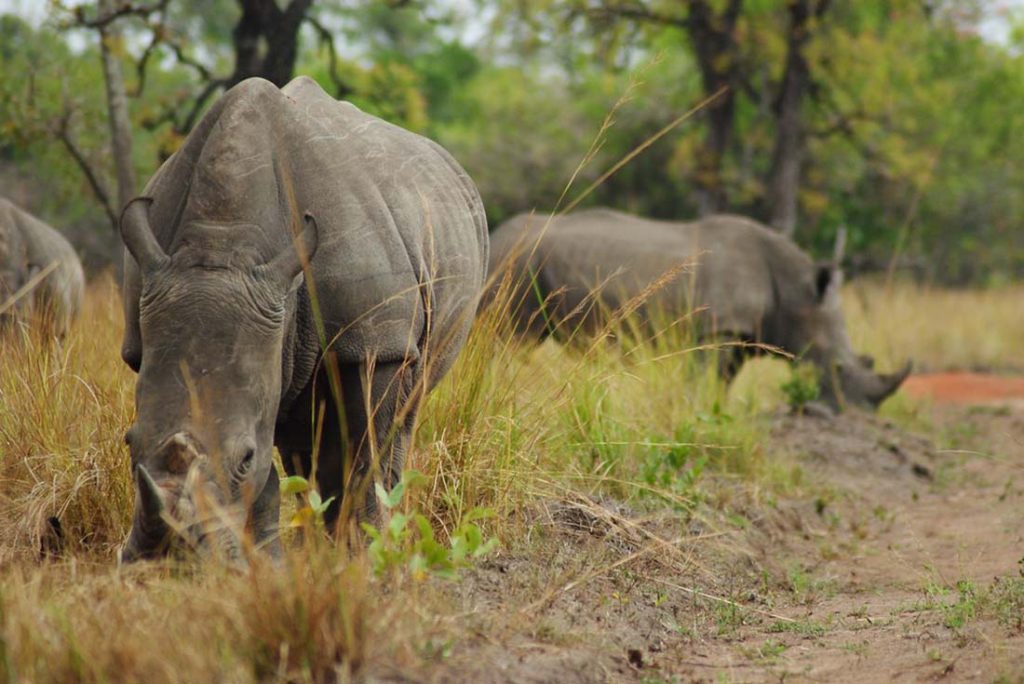
If there’s one region that quietly redefines the Kenyan safari, it’s Laikipia.
Stretching across central Kenya’s highlands, Laikipia is a mosaic of private conservancies — once cattle ranches, now thriving ecosystems. It’s not a national park. And that’s precisely the point. Here, conservation, culture, and community collaborate to protect endangered species like black rhinos and wild dogs, while offering a safari that feels exclusive, immersive, and entirely unfiltered.
You don’t have to be a hardcore adventurer to love Laikipia. In fact, many classic safari-goers find this region is where the magic returns.
You might spend a morning tracking lions on foot with Samburu rangers, and an afternoon on horseback among giraffes and zebra. Night drives — rarely allowed in national parks — are part of the norm here, revealing elusive creatures like aardvarks and leopards.
At Ol Pejeta Conservancy, East Africa’s largest black rhino sanctuary, you’ll encounter not only the Big Five but also witness one of the most important conservation legacies on Earth: the last two northern white rhinos. Nearby, Loisaba Conservancy leans more adventurous, with luxury walking safaris, camel treks, and fly camping beneath starlit skies.
The guiding culture here is intimate, insightful, and deeply rooted in the land — a far cry from scripted game drives.
This is Laikipia safari Kenya at its best: off-grid, conservation-led, and unforgettable.
Explore Our Adventure Travel Safaris
Explore Our Luxury Safaris in Kenya
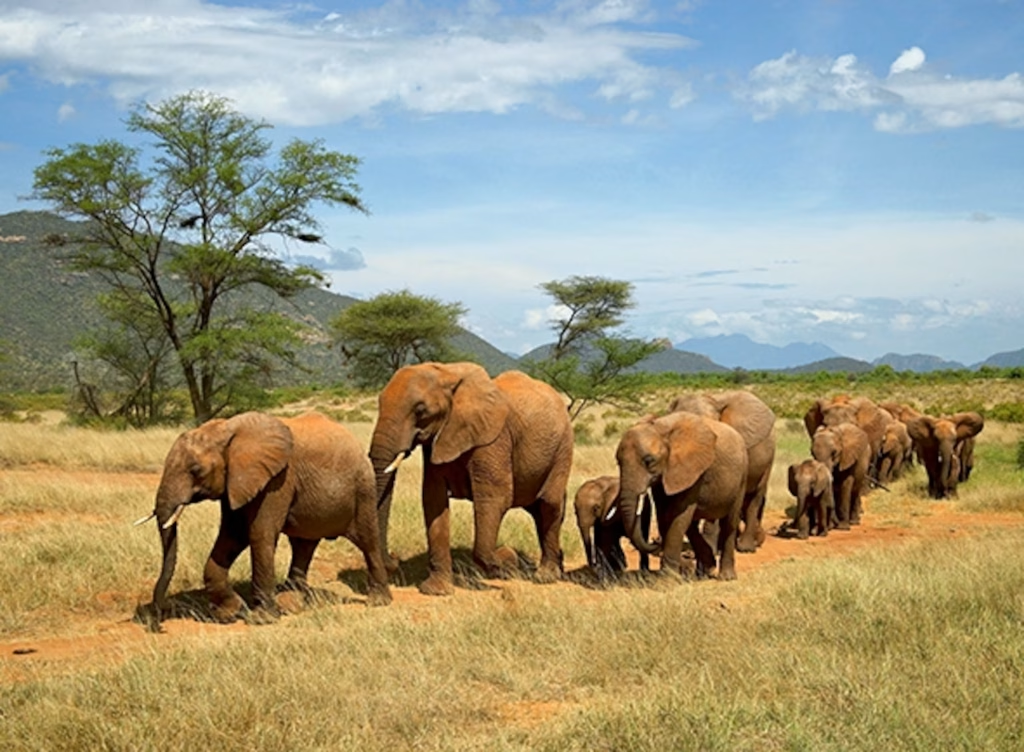
Where Laikipia feels like a quiet revolution, Samburu is something more elemental. Dust-red earth. Thorny acacias. The slow curve of the Ewaso Nyiro River. This is the Kenya most travelers never see — and few ever forget.
Samburu is remote, yes. But not empty. In this dramatic semi-arid terrain live some of the most distinctive wildlife species in East Africa — the Samburu Special Five: Grevy’s zebra, Somali ostrich, reticulated giraffe, beisa oryx, and the long-necked gerenuk. These aren’t just checklists; they’re the result of ancient evolution, perfectly adapted to this wild and unforgiving land.
You won’t find long lines of vehicles here. And without the pressure of Big Five tourism, wildlife encounters unfold slowly — more intimate, more authentic, and often, more moving.
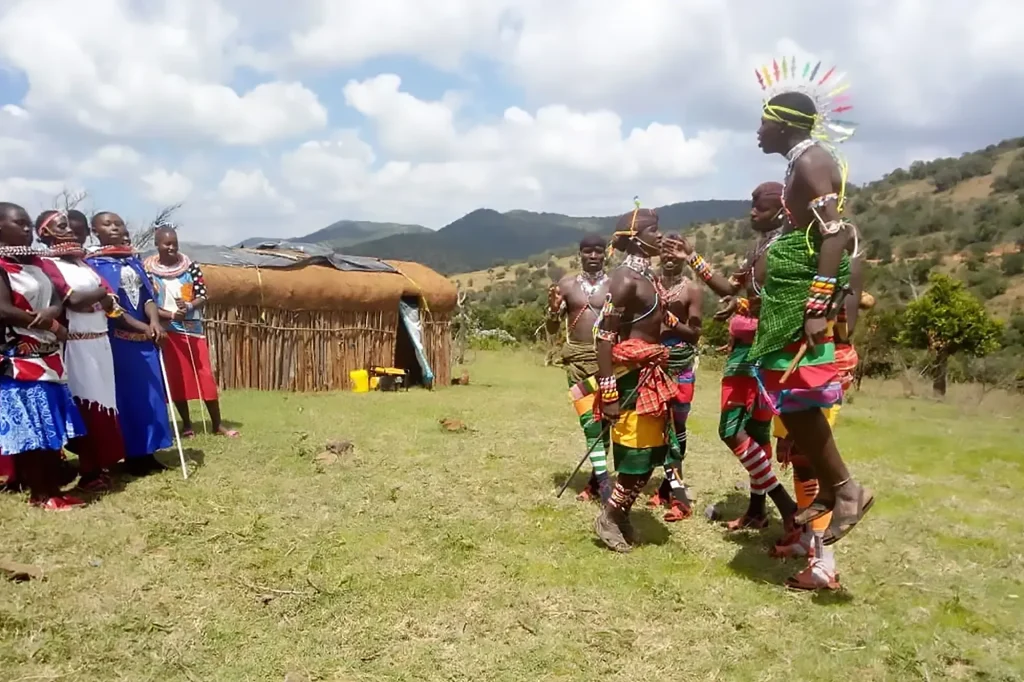
But Samburu’s real power lies in its people. Local guides here don’t just point out animals — they interpret the land, share stories handed down for generations, and invite you into a worldview shaped by deep connection to place. A quiet village visit. A fireside conversation with an elder. A slow walk beside a warrior. These are the moments guests remember long after the game drives fade.
Stay at an eco-lodge in Samburu, and your visit supports community-owned conservation, from land stewardship to education. This isn’t a tour. It’s a cultural exchange.
If you’re seeking a cultural safari in Kenya that replaces performance with presence — Samburu delivers.
See Our Family Safari Experiences
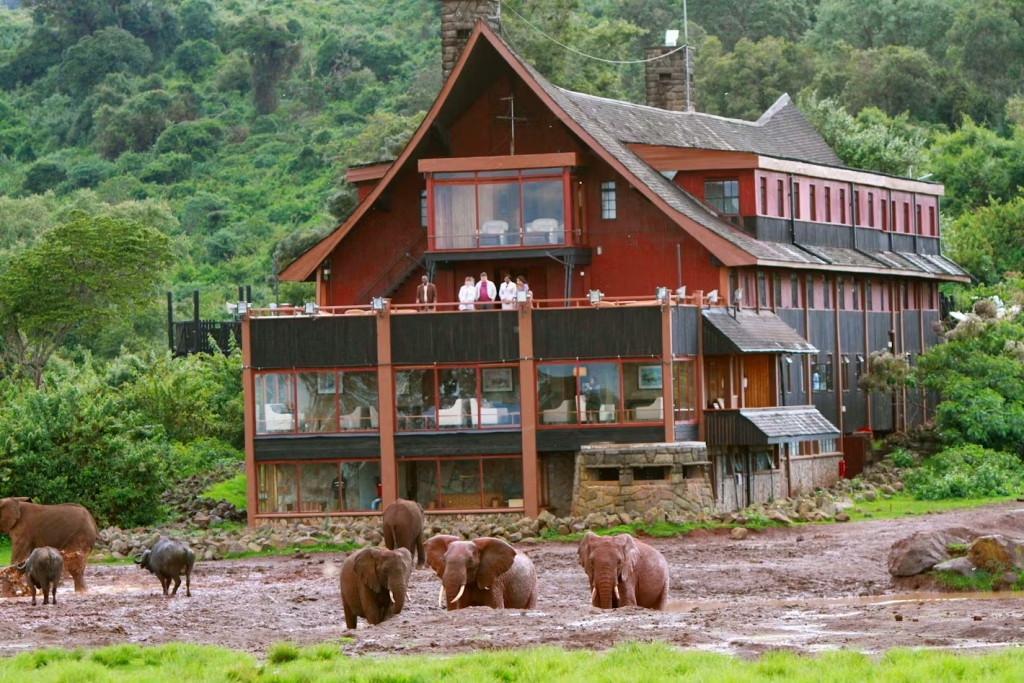
If you think you’ve seen Kenya, think again. Beyond the familiar names lies another safari story — one shaped by crater lakes, misty forests, and cultural sanctuaries far from the main circuits.
In Kenya’s far north — where roads dissolve into lava fields and acacia flats stretch for miles — the safari becomes something elemental. Marsabit National Park, with its ancient Lake Paradise, is a jewel hidden in mist-covered forest. Greater kudu browse the slopes, crowned cranes dance in the wetlands, and desert elephants wander crater basins that echo with silence.
Further west, the Mathews Range rises like an island of green. Here, Namunyak Conservancy is home to the Reteti Elephant Sanctuary — a pioneering, community-run rescue center where orphaned calves are rehabilitated and released back into the wild. Hike among cycads, join Samburu trackers in the foothills, and witness a conservation model built on coexistence, not conquest.
This is northern Kenya safari territory for the truly curious.
Part of Kenya’s central highlands, the Aberdares are often overlooked — and that’s their gift. High-altitude valleys shimmer with waterfalls and bamboo groves, hiding rare species like the bongo antelope and melanistic leopards.
Here, you might hike through cloud forest in the morning, fish for trout in a mountain stream by noon, and spot elephants ghosting through the trees on an afternoon game drive. The climate is cool, the crowds few, and the experience unmistakably unique.
They challenge the notion that a Kenyan safari must follow a script. They remind us that wilderness isn’t always found in savannahs — sometimes it’s in the silence between crater walls or the gaze of a rescued calf.
These are the places for return visitors. For seekers. For travelers who want to go further — and feel more.
Plan an Off-the-Map Safari Experience
Timing is everything — especially when you’re heading off the beaten path.
Unlike Kenya’s mainstream safari calendar, where the Great Migration dominates decision-making, the best time to visit hidden safari destinations in Kenya depends more on access, regional weather patterns, and resident wildlife movements.
Here’s when to go and why it matters:
Ideal travel windows: June to October, January to March
Laikipia delivers exceptional wildlife viewing year-round, thanks to its conservancy-based model. Dry seasons bring easier tracking and clearer skies for walking safaris and horseback rides — but even the green season surprises with predator sightings and zero crowds.
Ideal travel windows: June to October, December to March
Samburu’s semi-arid terrain stays accessible most of the year. In the dry months, wildlife concentrates along the Ewaso Nyiro River, offering top sightings of the Samburu Special Five. After the rains, birdlife explodes and the park turns lush — a dream for photographers and birders.
Ideal travel windows: July to October, January to February
This is northern Kenya safari country, where access defines the season. April–May rains can make roads impassable. In the dry months, you get open skies, safe travel routes, and the kind of epic isolation that defines frontier safari.
Ideal travel windows: January to March, July to October
These cool highlands are misty year-round, but drier windows offer better forest walks, trout fishing, and rare sightings of bongo antelope and melanistic leopards. Expect dramatic weather — this is safari with boots, not flip-flops.
Don’t overlook the green season.
These parks don’t rely on the Great Migration. In fact, the so-called “off-season” often means lower rates, richer landscapes, and more personal experiences — perfect for return visitors, photographers, and those who want safaris without compromise.
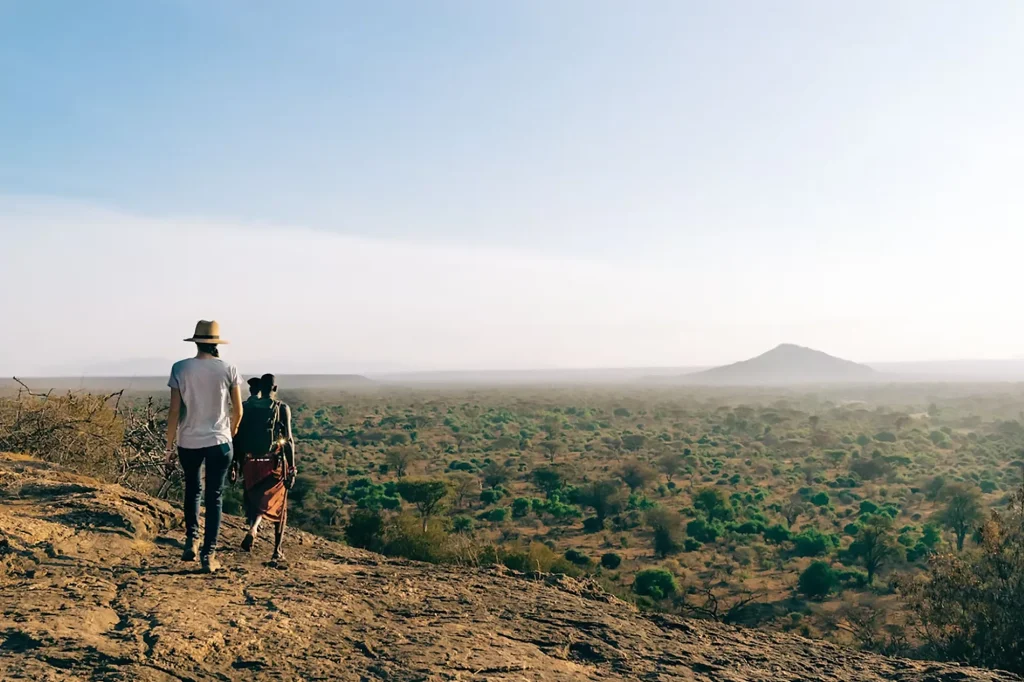
So you’re ready to leave the crowds behind. But where do you begin?
Planning a custom safari in Kenya — especially one that veers off the beaten path — takes a different mindset. It’s not about racing between hotspots. It’s about traveling with purpose, with time to linger, listen, and learn.
Here’s how to plan a safari that’s remote, rewarding, and entirely your own.
Kenya’s wild north isn’t a place for one-size-fits-all routes. These parks and conservancies don’t follow the typical “loop” of Nairobi → Mara → Amboseli. Expect longer drives or scenic regional flights — and landscapes untouched by mass tourism.
Suggested Northern Kenya Safari Itinerary (10–14 days):
Whether you want to track wild dogs on foot, take a camel-supported safari, or mix high-end lodges with remote fly camping, these parks invite creativity.
With the right operator, you can build a tailor-made Kenya safari that blends comfort with wildness, wildlife with culture, and freedom with safety.
This is not a safari to follow. It’s one to create.
Ready to go off the map?
Customize Your Adventure Safari Today
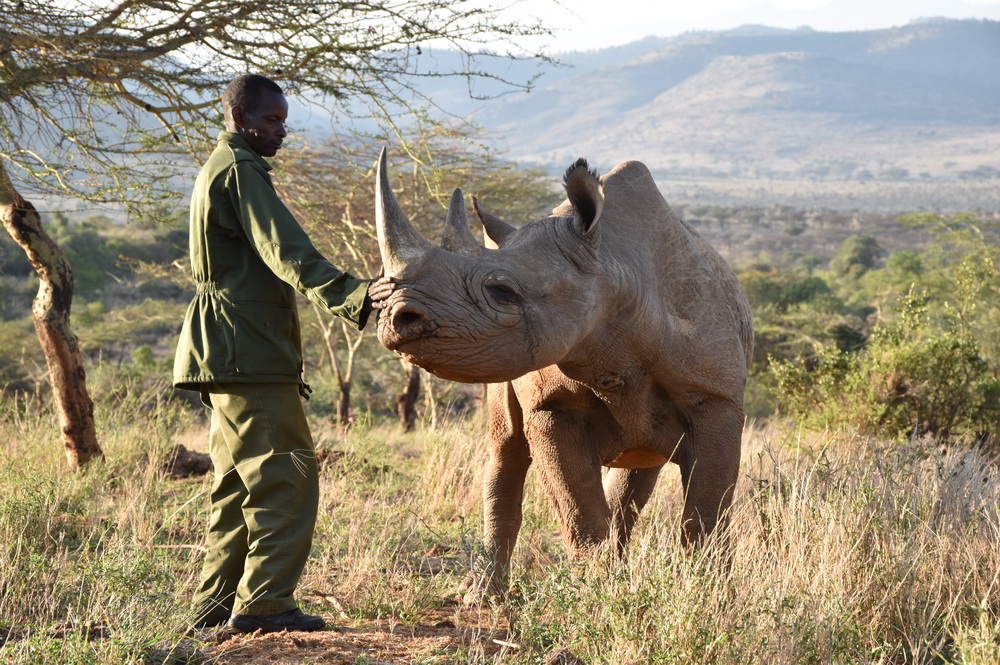
When you choose Kenya’s hidden safari destinations, you’re not just choosing a quieter game drive. You’re choosing a different kind of impact.
In Laikipia, Samburu, and the northern frontier, safaris aren’t just about wildlife — they’re about coexistence, stewardship, and survival.
Unlike overcrowded national parks, these regions operate under low-impact, high-value models — especially in community-run conservancies like Ol Pejeta, Loisaba, and Namunyak.
This is conservation safari in Kenya done right: immersive, measurable, and meaningful.
The best safaris don’t just pass through communities — they’re shaped by them.
In northern Kenya, many conservancies are co-owned by local Samburu and Maasai groups, who set wildlife policy, guide guests, and benefit directly from tourism through employment, education, and infrastructure.
Cultural exchange here isn’t a performance. It’s participation.
A walking safari led by a Samburu tracker. A fireside evening at a women-run lodge. A lesson in traditional medicine from an elder. These are the safaris that stay with you — because they’re grounded in trust, not transaction.
When you travel to lesser-known parks, you help diversify Kenya’s tourism economy, protect fragile ecosystems, and preserve Indigenous knowledge.
It’s not just about where you go. It’s about what your presence empowers.
Because the future of safari isn’t just wild. It’s wise.
Discover Our Purpose-Driven Safari Collection
Hidden safari destinations in Kenya aren’t for everyone.
They take longer to reach. They challenge assumptions. They might even ask you to trade comfort for connection. But for those who crave meaning with their adventure — the kind of safari that surprises, humbles, and stays with you — these are the places that deliver.
This is Kenya beyond the checklist. Wild, wise, and worth the detour.
Yes — with the right operator. Laikipia, Samburu, and the Northern Frontier are actively patrolled, with locally managed conservancies focused on both wildlife and visitor safety. We only work with vetted, conservation-first partners.
By charter flight, regional airstrip, or overland transfer. Travel times vary, but the reward is solitude and authenticity. We plan your route for both comfort and experience.
Definitely. Many travelers combine Samburu or Laikipia with the Maasai Mara or finish on Kenya’s coast in Diani or Lamu. Our itineraries are built to balance contrast.
Yes — especially Laikipia and Samburu. They offer excellent lodges, hands-on guides, and child-friendly activities like camel rides and junior ranger programs.
At least 10 days. These safaris reward slow travel. Most trips include 2–4 regions to allow space for both wildlife and culture.
Travel isn’t just about where you go — it’s about what your presence makes possible.
When you choose hidden safari destinations in Kenya, you help protect remote ecosystems, uplift communities, and reclaim the wonder of the wild.
Because the future of safari doesn’t follow the crowd. And neither do you.

The authors are a team of safari consultants from East Africa. Having been born and raised there and with over twenty years of experience in planning and managing safari trips, they are well-versed in the topics they discuss in this blog.
More about us >


